
Current Probes
CURRENT PROBE PRODUCTS
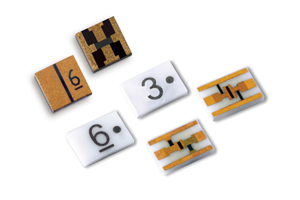
The TSX Series of chip attenuators pushes the boundaries of Size, Weight and Power in a cost effective, easy to implement surface mount solution, suitable for a wide array of applications.
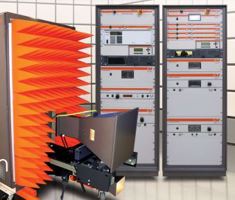
MT2IEC10V3M and MT4IEC10V3M are full turn-key systems in one rack, capable of producing 10 V/m CW (18 V/m AM). Both systems fully comply with IEC 61000-4-3:2020 Edition 4.
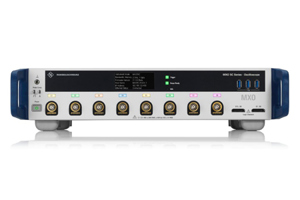
Available in both a four-channel and eight-channel model, the MXO 5C is a compact version of the MXO5 and has bandwidth from 100 MHz up to 2 GHz, providing superior time and frequency measurements.
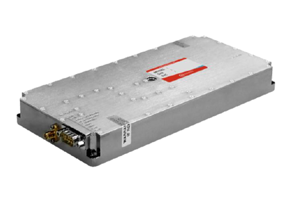
The AMP10109 solid state high power amplifier is engineered for various applications and features a compact form, high power density, and a Class AB linear GaN design for reliability and ruggedness.
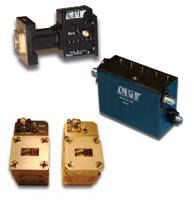
CPI EDB offers a line of high power attenuators with frequencies available in the L, S, C, X, Ku, and Ka bands. Each device features an integrated design that uses a mixture of electrical and mechanical tools to optimize performance, weight, heat transfer, and mechanical stability under harsh environmental conditions.
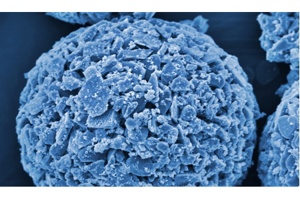
Knowles’ high-Q ceramic core inductors offer stable, efficient RF performance with high reliability, supporting applications in medical imaging, defense, aerospace, and industrial sectors.
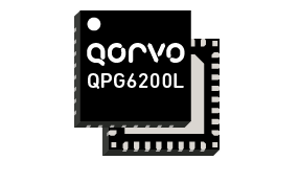
The Qorvo QPG6200L is a highly reliable and robust multi-protocol System-on-Chip (SoC) designed for next-generation IoT applications.