
How Can Engineers Validate The Power And Precision Of High-Power Microwaves?
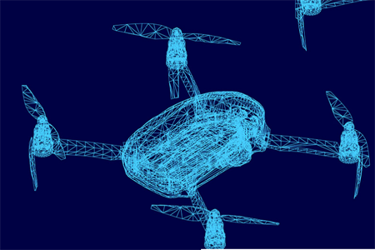
When an electronic threat is identified, high-power microwave (HPM) systems are deployed to disrupt or destroy a target’s most critical electronics. Delivering this effect is not driven by brute force alone—it depends on precise control and validation across the entire HPM signal path. From waveform creation to measurement and transmission, every stage must work together to ensure each pulse reaches the target with maximum impact.
This article examines the key components and test points that define reliable HPM performance. It begins with signal generation, where precision synthesizers create pulsed or continuous-wave signals with tight control of frequency, timing, and phase. Low phase noise and fast frequency agility are essential to concentrate energy, maintain coherence, and simulate complex battlefield conditions.
Next, high-power amplification raises signal levels to mission-critical intensities. Amplifiers must deliver exceptional output power while preserving waveform integrity. Linearity and broadband capability are vital to ensure predictable beam behavior across changing frequencies and operating modes.
Power measurement and analysis play a critical role in verifying performance. By capturing real-time data at multiple points in the signal path, engineers can confirm power delivery, waveform fidelity, and system efficiency—ensuring the pulse seen by the target matches design intent.
Equally important are the interconnects that bind the system together. RF cables and connections must maintain amplitude and phase stability despite mechanical stress and environmental extremes, ensuring repeatable measurements and consistent results.
By validating each stage of the HPM signal path, engineers can confidently deploy systems that deliver focused, reliable energy under the demanding conditions of modern electronic warfare.
Get unlimited access to:




Enter your credentials below to log in. Not yet a member of RF Globalnet? Subscribe today.